
Independent Engineering for Solar, Storage and AI Infrastructure
Design, modelling and technical review for utility-scale energy and high-density compute. A US engineering practice working with European developers — remote delivery, no local entity required.
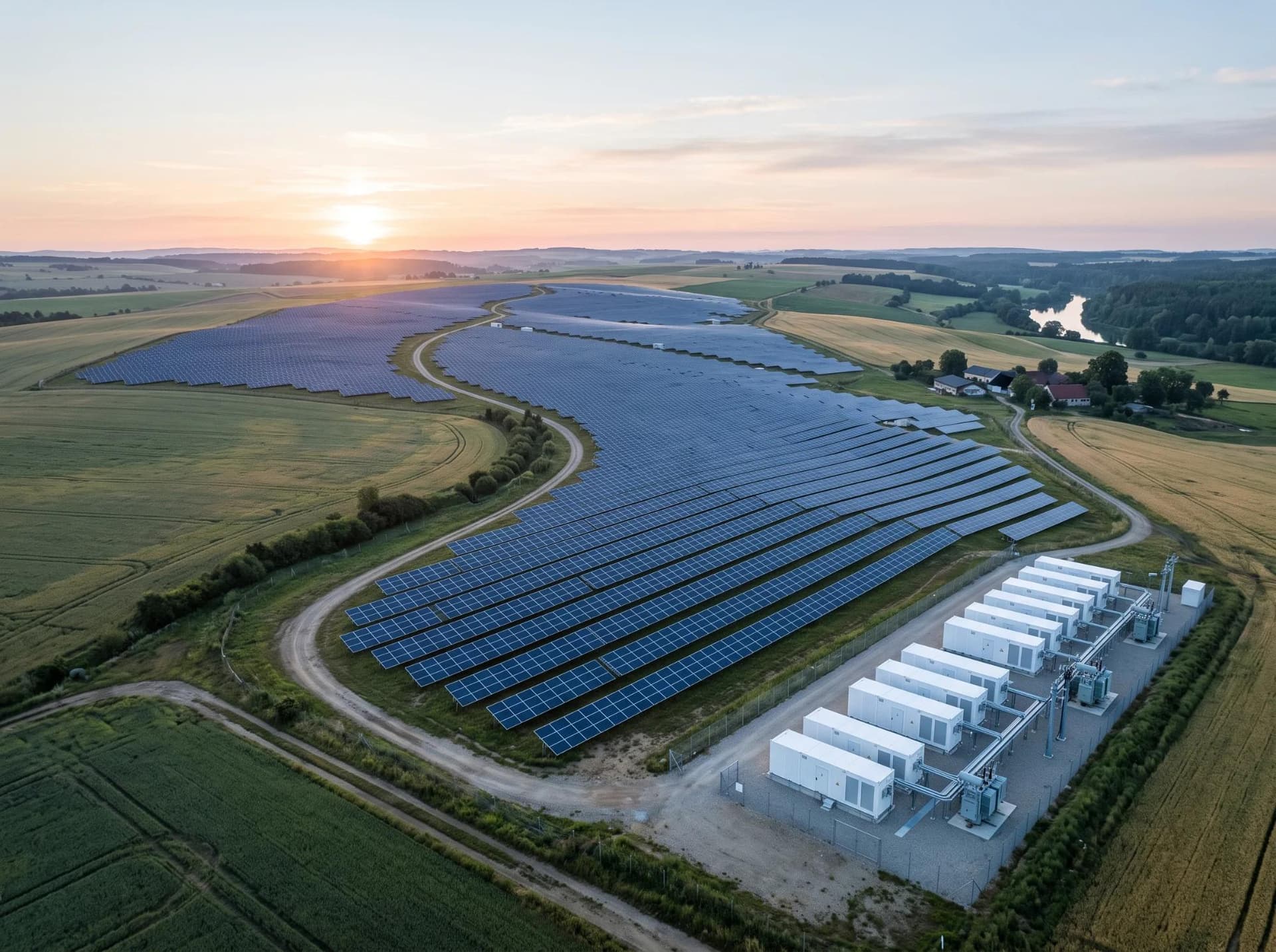
What we do
Each stage produces a document the next stage uses.
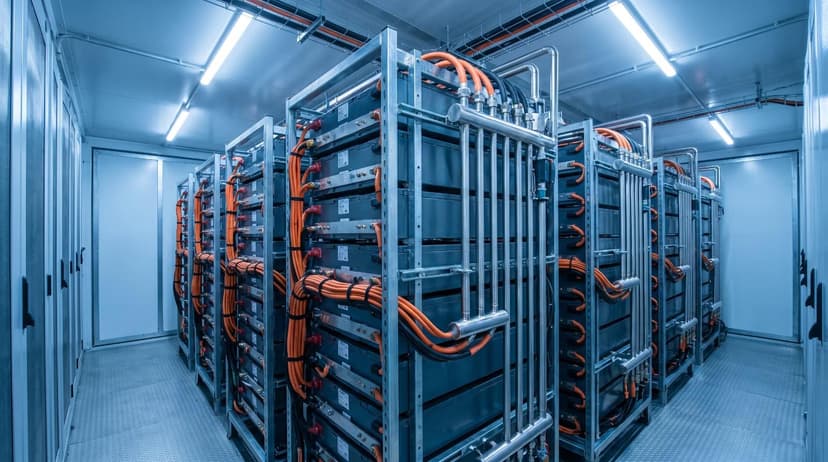
Performance Analysis
Degradation profiles, round-trip efficiency calculations, state of charge monitoring, and battery health models.
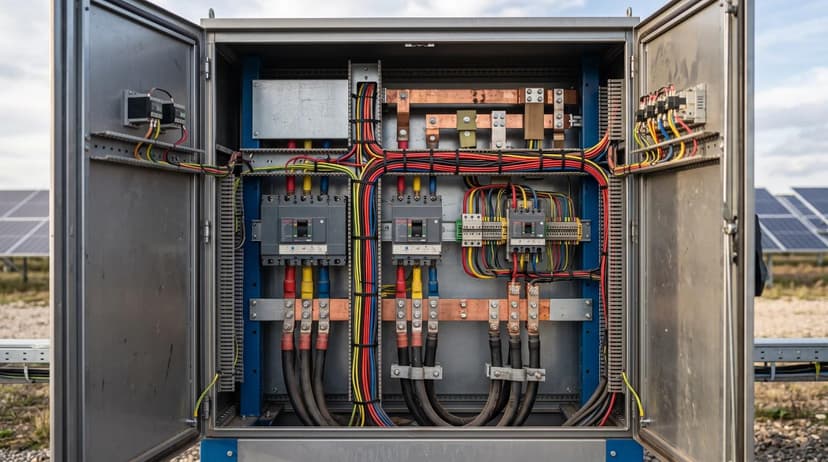
Technical Design Review
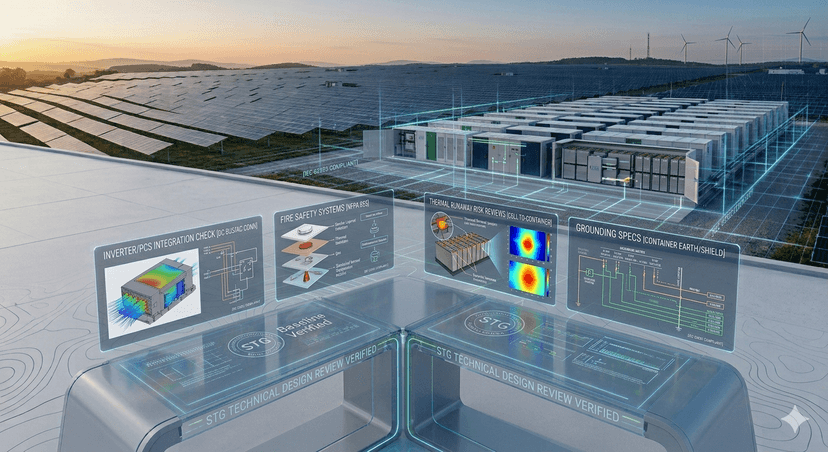
Inverter and PCS integration, protection coordination, grounding and earthing specifications, design package review against IEC requirements.
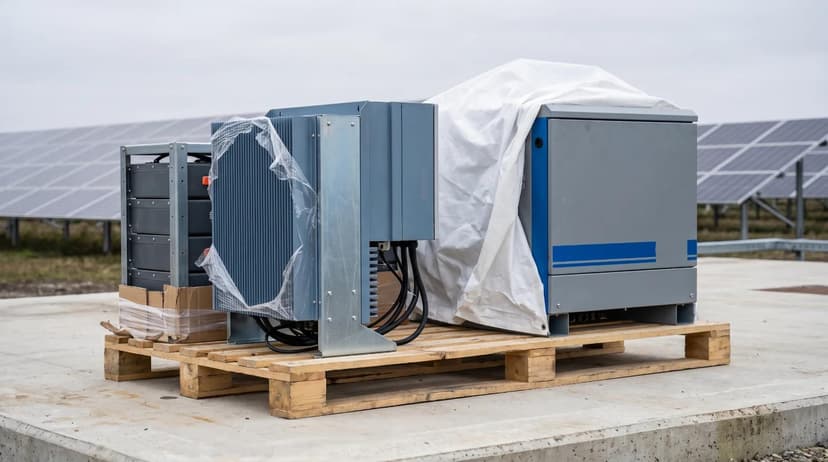
Technology Selection
LiFePO4 and alternative chemistry comparison, liquid versus air cooling trade-offs, supplier documentation review, and specification benchmarking.
Yield Assessment
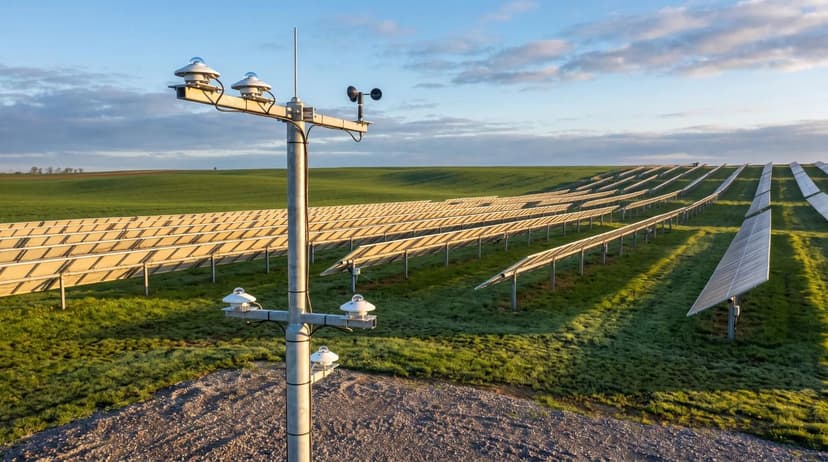
PVsyst solar yield modelling, sub-hourly loss estimation, degradation profiles, and P50/P90 generation values.
AI Data Center Infrastructure
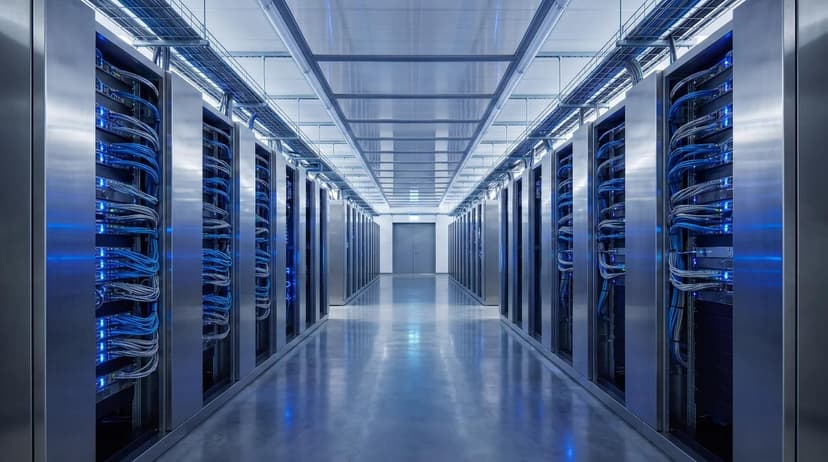
Basis of design for high-density compute: rack elevation, component-level power build-up, thermal design past the air-cooling limit, network fabric specification, and ROM budgeting with vendor data cited and assumptions flagged.
Grid Connection Strategy
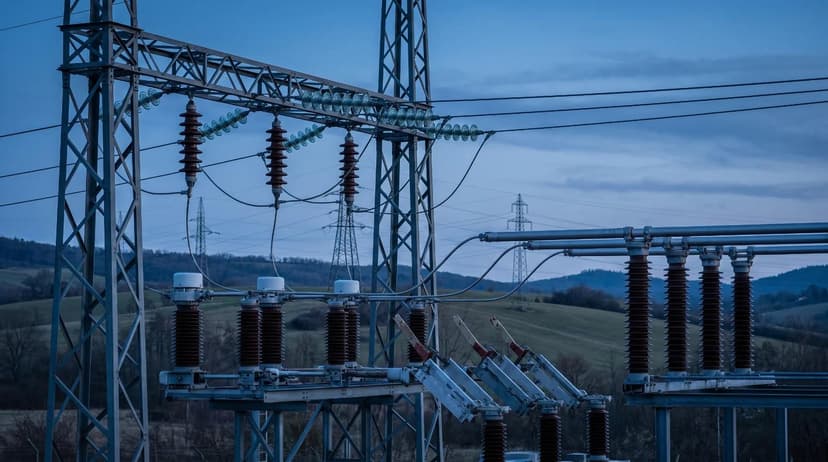
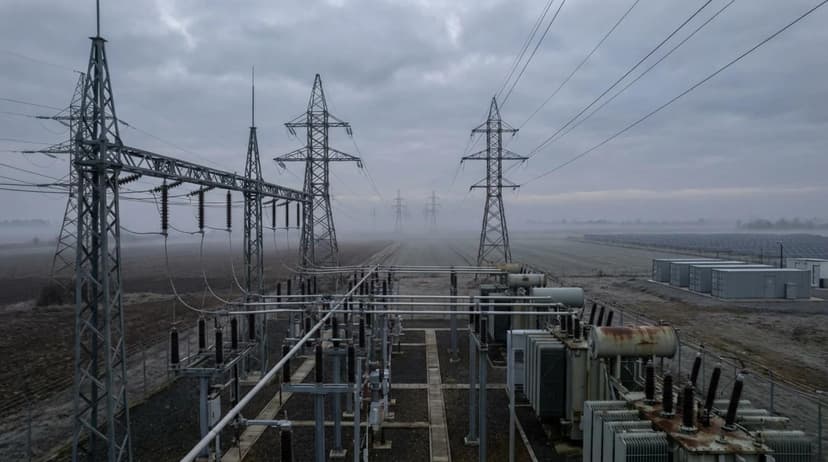
Siting and configuration of storage against transmission constraint. Distributed versus transmission-level interconnection, queue positioning, and the technical argument you put in front of the network operator. 5.28 GWh developed on Duke Energy Progress corridors carrying a $238 million upgrade estimate. One project to signed interconnection.
Industries We Serve
Specialized clean energy engineering tailored for distinct commercial and grid infrastructure assets.
Utility-Scale Solar PV
Grid-connected solar farms: array layout, grid-code compliance and pre-commissioning review.
Battery Energy Storage (BESS)
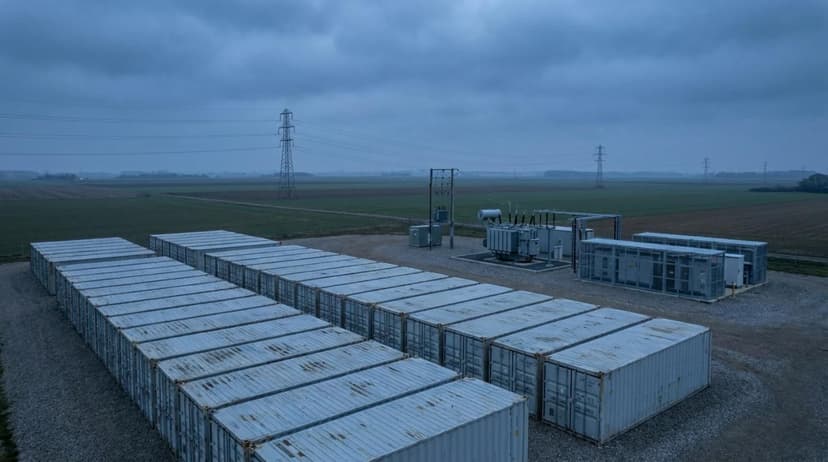
Front-of-meter storage: degradation modelling, thermal loops and grid-code conformity.
Advanced Hybrid PVT Systems
Combined electrical and thermal generation for sites with year-round heat demand.
What we actually bring
Four things we can point to.
5.28 GWh
storage developed
Grid Constraint Experience
We developed 5.3 GWh of storage on transmission corridors where the utility's own upgrade estimate exceeded $238 million. One project reached a signed interconnection agreement.
5 years
market head start
A Market Five Years Ahead
US storage markets already went through the saturation curve European revenue models are still built on. We have seen how those assumptions age.
Built, not modelled
design to commissioning
Field-Grounded Design
Design, construction and commissioning experience behind the modelling. We know how designs behave when they meet real hardware.
Zero
vendor commissions
Independent
We represent the owner. We do not sell equipment, hold project positions, or take vendor commissions.
Technical video
Market analysis and engineering breakdowns for solar, storage and data centre infrastructure.
Latest Insights & Market Intelligence
Monthly updates on European regulatory frameworks, solar yield design, and BESS safety.
Send us a project and we will look at it
Site data, a yield model, a design package or a report you want a second opinion on. We come back with what we would check first — no charge for the first look.
Send a project